
Family Issues and Mental Health: A Complete Guide to Understanding, Coping, and Healing
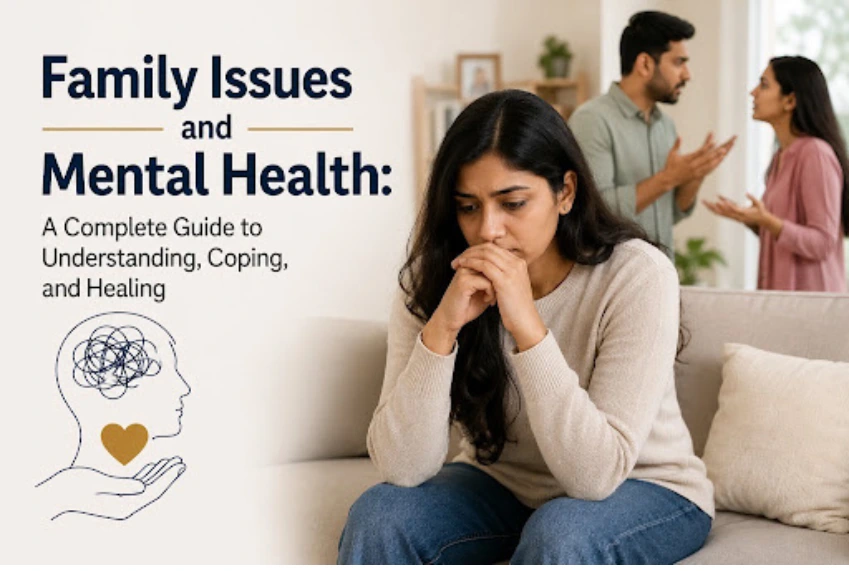
Family is often our first source of love, security, and emotional grounding. Healthy family relationships help us build confidence, resilience, and a stable sense of well-being. But when conflict, misunderstanding, financial pressure, or poor communication become part of everyday life, the same family unit that is meant to nurture us can become a significant source of emotional distress.
Family issues affect people across every stage of life — children, teenagers, adults, and elderly family members alike. While occasional disagreements are a normal part of any relationship, ongoing and unresolved family problems can quietly erode mental health, contributing to chronic stress, anxiety, depression, low self-esteem, and in some cases, substance misuse.
At Happy Minds Psychiatry Clinic, we regularly meet individuals and families whose emotional struggles trace back to unresolved issues at home. This guide explains the connection between family issues and mental health, outlines common causes and warning signs, and shares practical strategies for coping — along with guidance on when it's time to seek professional support.
Understanding Family Issues
Family issues refer to ongoing conflicts, challenges, or unhealthy patterns within a household that interfere with emotional well-being and the quality of relationships between family members.
Every family experiences disagreements from time to time. Family problems become a genuine concern, however, when they are frequent, intense, or remain unaddressed for extended periods.
Common family issues include:
- Constant arguments
- Financial stress
- Divorce or separation
- Domestic violence
- Substance abuse
- Parenting disagreements
- Poor communication
- Emotional neglect
- Loss of a loved one
- Mental illness in a family member
- Caregiving responsibilities
- Cultural or generational conflicts
Each of these situations creates emotional pressure that ripples through the entire household, though the impact often looks different for each family member.
How Family Issues Affect Mental Health
Mental health encompasses our emotional, psychological, and social well-being. It shapes how we think, feel, and behave in daily life.
When family relationships become a persistent source of stress, the brain remains in a near-constant state of alertness. Over time, this chronic stress response increases the risk of developing emotional and psychological disorders.
Unresolved family issues can contribute to:
- Chronic stress
- Anxiety disorders
- Depression
- Emotional exhaustion
- Low self-confidence
- Sleep disturbances
- Panic attacks
- Difficulty managing anger
- Social withdrawal
- Difficulty concentrating
Left unaddressed, these symptoms can begin to interfere with work, education, relationships, and even physical health.
Common Family Problems That Impact Mental Health
1. Poor Communication
Communication is the foundation of every healthy relationship. When family members stop truly listening to one another, criticise frequently, or avoid discussing problems altogether, misunderstandings begin to accumulate.
Example: A teenager repeatedly tries to talk to their parents about school-related stress. Instead of listening, the parents brush it off with, "You worry too much." Over time, the teenager stops sharing their feelings altogether and begins to withdraw, developing anxiety and a deep sense of loneliness.
2. Frequent Family Conflicts
Arguments happen in every household, but daily conflict creates an emotionally unsafe environment. Children raised amid constant fighting often experience fear, anxiety, poor academic performance, behavioural difficulties, and trouble trusting others. Adults exposed to ongoing conflict frequently develop chronic stress and depression.
3. Divorce or Separation
Divorce affects every family member differently. Children may struggle with confusion, sadness, anger, declining academic performance, or social withdrawal. Adults often face depression, financial strain, loneliness, and difficulty adjusting to a new normal. While separation can eventually bring relief in situations involving abuse or severe conflict, the transition period itself is almost always emotionally challenging.
4. Domestic Violence
Physical, emotional, verbal, or financial abuse causes long-lasting psychological trauma. Victims often experience depression, PTSD, anxiety, fear, and diminished self-esteem. Children who witness domestic violence — even if they are not direct targets — frequently carry emotional and behavioural scars well into adulthood.
5. Financial Problems
Money-related stress remains one of the leading causes of conflict within families. Job loss, mounting debt, rising living costs, and medical expenses can all place enormous strain on relationships.
Example: Parents frequently argue over bills and household expenses. Although the arguments aren't directed at their child, the child begins experiencing stomach aches before school — a physical manifestation of chronic anxiety absorbed from the home environment.
6. Substance Abuse
Addiction rarely affects only the individual struggling with it — it touches the entire family. Loved ones often experience emotional instability, financial difficulties, broken trust, fear, and depression. Children growing up in such environments may carry emotional trauma into their adult lives.
7. Parenting Differences
When parents consistently disagree about discipline, education, or lifestyle choices, children receive mixed and confusing messages, which can lead to insecurity and behavioural inconsistency.
8. Loss of a Loved One
Grief affects every family member differently — some express emotions openly, while others withdraw entirely. Without healthy communication and mutual support, grief can deepen into prolonged emotional distress or depression.
Mental Health Conditions Linked to Family Stress
Ongoing family problems can increase the risk of several diagnosable mental health conditions.
Anxiety Disorders — constant worry, restlessness, rapid heartbeat, difficulty sleeping, and panic attacks.
Depression — persistent sadness, loss of interest in activities once enjoyed, fatigue, hopelessness, appetite changes, and difficulty concentrating.
Post-Traumatic Stress Disorder (PTSD) — traumatic family experiences such as abuse or violence can lead to flashbacks, nightmares, emotional numbness, and hypervigilance.
Adjustment Disorders — major family transitions such as divorce, relocation, or financial crisis can trigger significant difficulty coping with daily life.
Substance Use Disorders — some individuals turn to alcohol or drugs to escape the emotional pain caused by family conflict, which typically worsens both mental health and family relationships over time.
How Family Issues Affect Children
Children are especially sensitive to their family environment because their emotional development is still taking shape. Those exposed to unhealthy family dynamics may show anxiety, bedwetting, poor concentration, aggressive behaviour, declining academic performance, low confidence, difficulty forming friendships, or emotional withdrawal.
Example: An eight-year-old whose parents argue constantly begins refusing to go to school. Teachers notice declining grades and frequent crying. The child's behaviour reflects emotional distress at home — not a lack of ability.
Impact on Teenagers
Adolescents often respond differently than younger children, showing irritability, anger, risk-taking behaviour, substance use, self-isolation, poor academic performance, social withdrawal, or disrupted sleep. Since adolescence is already an emotionally demanding stage of life, family conflict can intensify existing stress considerably.
Impact on Adults
Adults navigating ongoing family conflict may struggle with burnout, relationship difficulties, workplace stress, anxiety, depression, high blood pressure, and disrupted sleep. Many adults also feel responsible for holding the family together, often at the cost of neglecting their own mental health needs.
Physical Symptoms of Emotional Stress
Mental health struggles frequently show up in the body as well as the mind. Common physical symptoms include frequent headaches, muscle tension, fatigue, digestive issues, chest tightness, high blood pressure, poor sleep, and lowered immunity. This strong mind-body connection is exactly why emotional stress should never be dismissed or ignored.
Warning Signs That Professional Help Is Needed
Consider seeking professional support if you or a family member experiences:
- Persistent sadness lasting more than two weeks
- Constant anxiety
- Panic attacks
- Thoughts of self-harm
- Extreme anger
- Social isolation
- Declining work or school performance
- Substance misuse
- Major personality changes
- Difficulty performing daily activities
Early intervention consistently leads to better long-term outcomes.
Healthy Ways to Cope with Family Issues
1. Improve Communication
Healthy communication involves listening without interrupting, speaking respectfully, avoiding blame, using calm language, and expressing emotions honestly. Instead of saying, "You never listen," try, "I feel unheard when I'm interrupted." This small shift reduces defensiveness and encourages genuine understanding.
2. Set Healthy Boundaries
Boundaries protect emotional well-being. This might mean limiting toxic conversations, saying no respectfully, taking a break during heated arguments, or protecting your personal time. Healthy boundaries strengthen relationships rather than weaken them.
3. Practice Stress Management
Helpful techniques include deep breathing, meditation, yoga, journaling, regular exercise, reading, and spending time outdoors. Even 20–30 minutes of physical activity most days can meaningfully improve mood and reduce stress levels.
4. Focus on Problem-Solving
Rather than assigning blame, work together to identify the underlying problem. For example, if the issue is "We're always arguing about finances," the solution might involve creating a monthly budget, reviewing expenses together, setting shared financial goals, or seeking financial counselling. Approaching problems as a team often reduces ongoing conflict.
5. Build Emotional Support
Reach out to trusted friends, relatives, teachers, counsellors, or support groups. Sharing your emotions with someone you trust helps reduce feelings of isolation and reminds you that you don't have to face difficulties alone.
6. Spend Quality Time Together
Positive shared experiences help rebuild trust. Family dinners, game nights, walks together, movie evenings, weekend outings, and cooking together may seem simple, but these small moments often do more to heal a family than any single conversation.
The Role of Family Therapy
Family therapy helps members understand one another's perspectives and improve the way they communicate. A trained therapist guides discussions in a safe, structured environment, without assigning blame to any one individual.
Family therapy can be particularly effective for parent-child conflicts, marital problems, addiction recovery, grief, behavioural issues, and emotional trauma. At Happy Minds Psychiatry Clinic, our approach focuses on helping the whole family build healthier patterns of relating to one another — not just resolving the immediate conflict.
Individual Counselling
Sometimes, individual therapy is equally important alongside family sessions. A mental health professional can help a person understand their emotional triggers, build resilience, improve coping skills, manage anxiety and depression, and develop healthier communication patterns.
Common therapeutic approaches include Cognitive Behavioural Therapy (CBT), Mindfulness-Based Therapy, Acceptance and Commitment Therapy (ACT), and Interpersonal Therapy (IPT). Our team at Happy Minds Psychiatry Clinic tailors the approach to each individual's specific needs and circumstances.
Supporting Someone Facing Family Issues
If someone close to you is struggling, listen without judging, avoid giving unwanted advice, encourage them to seek professional support, respect their feelings, stay patient, and check in regularly. A simple statement like, "I'm here for you," can offer significant emotional comfort during a difficult time.
Preventing Family-Related Mental Health Problems
Healthy families are not perfect — they are simply willing to work through challenges together. Prevention strategies include open communication, mutual respect, shared responsibilities, regular family time, conflict-resolution skills, financial planning, seeking help early, encouraging emotional expression, and actively supporting one another's mental health. Addressing problems early prevents them from turning into long-term emotional wounds.
Myths About Family Issues and Mental Health
Myth 1: Every family fights, so it's not a real problem.
Reality: Occasional disagreements are normal, but constant, unresolved conflict can seriously affect mental health over time.
Myth 2: Children don't understand family problems.
Reality: Children often sense tension even when adults believe they are unaware of it.
Myth 3: Seeking therapy means the family has failed.
Reality: Seeking help is a proactive, courageous step toward healing and building stronger relationships.
Myth 4: Mental health problems will simply disappear on their own.
Reality: While mild stress may improve with time, persistent symptoms usually require professional support to resolve.
When Should You Seek Immediate Help?
Seek urgent professional assistance if someone experiences suicidal thoughts, self-harming behaviour, violent behaviour, severe depression, panic attacks that interfere with daily life, or psychotic symptoms such as hallucinations or delusions. Timely intervention can be life-saving.
Practical Daily Habits for Better Mental Health
Small, consistent habits can significantly improve emotional resilience over time:
- Sleep 7–9 hours each night
- Eat balanced, nutritious meals
- Stay physically active
- Limit excessive screen time
- Practice gratitude by writing down three positive things each day
- Make time for hobbies and relaxation
- Spend quality time with supportive people
- Reach out for help when feeling overwhelmed
Conclusion
Family relationships shape our emotional well-being throughout life. While every family experiences disagreements and challenges, unresolved conflict, poor communication, abuse, financial stress, or major life changes can take a serious toll on mental health — contributing to anxiety, depression, chronic stress, and other emotional concerns for children, teenagers, adults, and older family members alike.
The encouraging news is that healing is always possible. By recognising the impact of family issues, communicating openly, setting healthy boundaries, practising stress-management techniques, and seeking professional support when needed, families can build stronger, healthier relationships.
At Happy Minds Psychiatry Clinic, we offer compassionate, evidence-based family therapy and individual counselling to help you and your loved ones navigate these challenges and restore emotional balance. Asking for help is a sign of strength, not weakness. If family problems are affecting your mental health or the well-being of someone you love, don't wait for the situation to worsen — reach out to our team today and take the first step toward a healthier, more resilient future.
FAQs
1. How do I know if my family issues are seriously affecting my mental health?
If you notice persistent sadness, constant worry, sleep disturbances, difficulty concentrating, or a loss of interest in daily activities lasting more than two weeks, your family stress may be affecting your mental health. Physical symptoms like headaches, fatigue, or digestive issues can also be signs. If these symptoms interfere with your work, relationships, or daily functioning, it's a good time to consult a mental health professional.
2. Can family therapy really help if the conflict has been going on for years?
Yes. Family therapy is designed to help even long-standing conflicts, as it creates a safe, structured space for every member to be heard without judgment. A trained therapist helps identify unhealthy communication patterns and guides the family toward healthier ways of relating to one another. Progress may take time, but many families see meaningful improvement with consistent sessions.
3. How do family problems affect children differently than adults?
Children are still developing emotionally, so they're often more sensitive to tension at home, even if they don't fully understand it. They may show signs through behaviour rather than words — such as declining grades, aggression, bedwetting, or withdrawal from friends. Adults, on the other hand, are more likely to experience burnout, anxiety, or depression directly tied to specific stressors like finances or caregiving.
4. When should I consider individual counselling versus family therapy?
Individual counselling is helpful when you want to work through your own emotional triggers, coping patterns, or mental health symptoms privately. Family therapy is more appropriate when the goal is to improve communication and resolve conflict between specific family members. Many people benefit from a combination of both, and a psychiatrist or therapist at Happy Minds Psychiatry Clinic can help you decide the right starting point.
5. Is it normal to feel guilty about seeking professional help for family issues?
Yes, this is a very common feeling, especially in cultures where family matters are considered private. However, seeking help doesn't mean your family has failed — it means you're taking a proactive step toward healing and stronger relationships. Speaking with a professional can provide clarity, tools, and support that are difficult to find within the family system alone.