
Sleep Disorder Doctor in Lucknow – Reliable Sleep Care at Happy Minds Psychiatry Clinic
What is Sleep Disorders?
Sleep disorders are medical conditions that disrupt the quality, timing, or amount of sleep a person gets. They can make it hard to fall asleep, stay asleep, get restful sleep, or stay awake and alert during the day. In clinical terms, sleep disorders are not just occasional sleepless nights — they are ongoing patterns that affect normal sleep-wake cycles and can harm physical, emotional, and mental health.
A person with a sleep disorder may wake up feeling unrefreshed, struggle with daytime sleepiness, or have unusual behaviors or body responses during sleep. Chronic sleep problems can increase the risk of other diseases such as heart disease, diabetes, depression, and anxiety, and may also reduce quality of life.
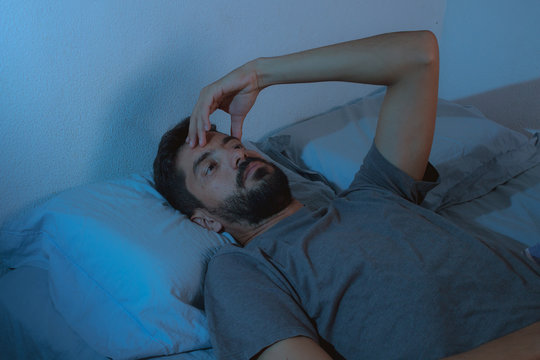
Types of Sleep Disorders
There are many different kinds of sleep disorders — some are common, and others are less well-known. Clinicians often categorize them based on how they affect sleep.
Insomnia
This is one of the most well-known sleep disorders. People with insomnia have trouble falling asleep, staying asleep, or waking up too early and not being able to go back to sleep. It may be short-term (a few days or weeks) or chronic (lasting months).
Sleep-Related Breathing Disorders
These include conditions where breathing is abnormal during sleep. Obstructive sleep apnea (OSA) — where the airway collapses repeatedly during sleep — is a common example. Snoring, choking, or gasping are typical signs.
Hypersomnia
Hypersomnia involves excessive daytime sleepiness even after a full night's sleep. Narcolepsy is a type of hypersomnia that causes sudden sleep attacks during the day.
Parasomnias
These are behaviors or experiences that happen during sleep or while falling asleep. They include sleepwalking, night terrors, sleep talking, nightmares, or unusual movements of the body.
Circadian Rhythm Disorders
These occur when the body's internal clock is out of sync with the environment. People may struggle to fall asleep at night and wake up in the morning at usual times. Shift workers and frequent travelers often experience these issues.
Sleep-Related Movement Disorders
These involve physical movements or urges that interfere with sleep, most commonly restless legs syndrome (RLS), which causes uncomfortable sensations in the legs and an urge to move them.
Symptoms of Sleep Disorders
Symptoms of sleep disorders vary depending on the type, but there are common emotional and physical signs that may indicate a sleep problem:
Physical Symptoms
- Difficulty falling asleep or staying asleep most nights
- Frequent waking during the night
- Snoring, gasping, or pauses in breathing
- Restless limbs or uncomfortable sensations
- Sudden sleep attacks during the day
- Daytime fatigue, yawning, or falling asleep unintentionally
- Headaches upon waking
- Teeth grinding or jaw tension during sleep
Emotional and Cognitive Symptoms
- Irritability or mood swings
- Difficulty concentrating or paying attention
- Memory problems
- Increased stress or anxiety
- Feeling depressed or hopeless
- Lack of motivation
- Reduced performance at work or school
Sleep problems often affect more than just the body — they can interfere with emotional well-being and daily functioning. If these symptoms are regular and persistent, it's wise to seek medical evaluation.
Causes & Risk Factors of Sleep Disorders
Sleep disorders can arise from many different causes, and often several factors interact to disrupt normal sleep patterns.
Mental Health Conditions
Stress, anxiety, depression, and other emotional problems are strongly linked to sleep disruption. Worry and emotional distress can keep the mind alert when the body should be resting.
Genetic and Biological Factors
Some sleep disorders, like narcolepsy or restless legs syndrome, may have genetic components or neurological causes that are still being studied.
Age and Hormonal Changes
Sleep patterns change with age, and older adults are more likely to develop certain sleep disorders. Hormonal changes during menopause or pregnancy can also affect sleep.
Lifestyle and Behavioural Factors
- Irregular sleep schedules
- Working night shifts
- Frequent travel across time zones
- Excessive use of caffeine, alcohol, or nicotine close to bedtime
These habits can disrupt the natural sleep-wake cycle and contribute to sleep disorders.
Medical Conditions
Many health issues can lead to or worsen sleep problems, including:
- Chronic pain or headaches
- Respiratory conditions (like asthma or allergies)
- Heart disease or diabetes
- Neurological disorders
- Gastrointestinal disorders
These conditions may either directly interrupt sleep or make it harder to fall and stay asleep.
How Sleep Disorders Are Diagnosed
Diagnosing a sleep disorder involves several steps, combining clinical evaluation with specialized testing.
Medical & Sleep History
Your doctor will ask about sleep patterns, symptoms, medical history, lifestyle, and emotional health. A sleep diary may be recommended to track sleep times and awakenings.
Physical Examination
A physical exam can help rule out medical conditions that may affect sleep, such as respiratory problems or neurological issues.
Daytime Sleep Tests
Tests like the Multiple Sleep Latency Test (MSLT) may be used if daytime sleepiness is a major concern, particularly in narcolepsy.
Sleep Study (Polysomnography)
Often, a sleep study (polysomnography) is used to monitor brain waves, breathing, heart rate, oxygen levels, and muscle activity during sleep. This test helps diagnose conditions like sleep apnea, narcolepsy, and movement disorders.
Specialist Referrals
In complex cases, referrals to sleep medicine specialists or neurologists may be recommended.
At Happy Minds Psychiatry Clinic, we coordinate comprehensive assessments and sleep studies to provide precise diagnoses and targeted treatment plans.
Treatment Options (Therapy, Medications, Lifestyle)
Treating sleep disorders depends on the specific type and its underlying cause. Effective treatment often combines medical, therapeutic, and lifestyle approaches.
Sleep Hygiene & Lifestyle Changes
- Maintaining regular sleep and wake times
- Reducing caffeine, nicotine, and alcohol before bed
- Creating a calm, dark, and quiet sleep environment
- Exercising regularly but not too close to bedtime
- Limiting screen time before sleep
Good habits can significantly improve sleep quality and support other treatments.
Medications
In certain cases, your doctor may recommend short-term medications or supplements to improve sleep. These might include:
- Sleep aids
- Melatonin
- Medications targeting specific disorders (e.g., CPAP for sleep apnea)
Cognitive Behavioral Therapy for Insomnia
CBT-I is a structured form of therapy that helps change negative thoughts and behaviors around sleep. It is highly effective for chronic insomnia and some other sleep conditions.
Treating Underlying Conditions
For sleep problems caused by medical or psychiatric conditions (such as anxiety, depression, or chronic pain), treating the root issue often improves sleep.
When to Seek Urgent Help from a Psychiatrist in Lucknow
You should seek immediate medical attention if:
- You experience pauses in breathing or gasping during sleep
- You feel extremely daytime sleepiness that interferes with safety (like falling asleep while driving)
- You develop hallucinations, confusion, or mood changes related to sleep loss
- You have involuntary movements or violent behaviors during sleep that could harm you or others
- You experience worsening mental health symptoms linked to sleep problems
Prompt intervention can prevent complications and support better overall health.
FAQs
Clinic Location – Easy to Find, Convenient for Everyone
Happy Minds Psychiatry Clinic is located in the heart of Gomti Nagar, one of the most accessible and well-connected areas of Lucknow.
279, Eldeco Greens, Near Fun Republic Mall, Gomti Nagar, Lucknow – 226010
The clinic is situated inside the peaceful Eldeco Greens locality, just a few steps from Fun Republic Mall, making it easy to reach from all major landmarks such as:
- Gomti Nagar Railway Station
- One Awadh Mall
- Vibhuti Khand & Vijayant Khand
- Indira Nagar & Faizabad Road
- Hazratganj & Alambagh
You'll find the clinic in a calm, residential neighborhood — away from noise — ensuring privacy and a stress-free environment for your visit. Ample parking space and easy navigation through Google Maps make the experience even smoother.
Whether you're coming by car, cab, or public transport, the clinic is centrally located for the entire city.