Panic Attacks and Anxiety: Symptoms, Causes, Treatment & Prevention
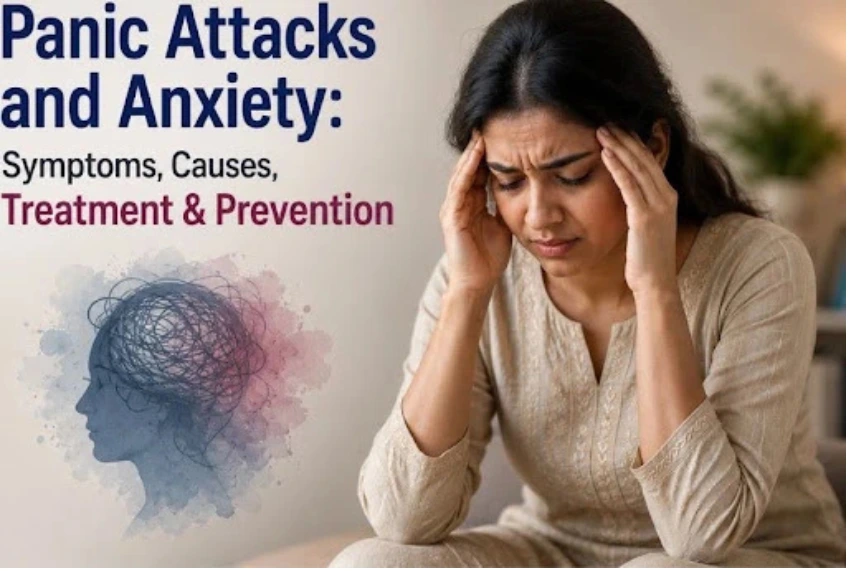
Anxiety is a natural response to stress, but when it becomes overwhelming or frequent, it affects daily life. Its most intense form, a panic attack, brings sudden fear along with physical symptoms like a racing heartbeat, sweating, chest pain, and difficulty breathing — often resembling a heart attack. This article explains what causes panic attacks and anxiety, and how they can be managed.
What Is Anxiety?
Anxiety is the body's normal reaction to stress or perceived danger. It activates the "fight-or-flight" response, helping a person stay alert and prepared for challenges. Feeling anxious before an exam, a job interview, surgery, or any important event is completely normal.
However, anxiety may become a medical concern when it occurs frequently, persists for months at a stretch, feels difficult to control, or starts interfering with work, relationships, and daily activities. When it becomes this persistent and excessive, it may be diagnosed as an anxiety disorder.
What Is a Panic Attack?
A panic attack is a sudden episode of intense fear or discomfort that reaches its peak within minutes. Unlike ordinary anxiety, panic attacks often occur unexpectedly, even when there is no obvious danger around. A person may feel as though they are having a heart attack, losing control, or even dying. Although these symptoms can be frightening, panic attacks are generally not life-threatening.
Dr. Pranshu Agarwal explains that panic attacks can closely resemble other medical conditions because they often cause symptoms such as chest pain, a rapid heartbeat, sweating, and shortness of breath. This is why a proper medical evaluation is important, especially if it is the first episode.
| Feature | Anxiety | Panic Attack |
|---|---|---|
| Onset | Develops gradually | Starts suddenly |
| Cause | Usually linked to stress | May occur without warning |
| Symptoms | Build slowly | Peak within 10 minutes |
| Intensity | Mild to severe | Very intense |
| Duration | Can last hours or days | Usually calms down within minutes |
Common Symptoms of Anxiety
Anxiety shows up both emotionally and physically. On the emotional side, it often looks like constant worry, fear of the future, restlessness, irritability, difficulty concentrating, and a general sense of being overwhelmed. Physically, it can bring muscle tension, fatigue, sweating, headaches, a faster heartbeat, trouble sleeping, digestive issues, and shortness of breath.
Symptoms of a Panic Attack
A panic attack typically brings on several symptoms at once:
- Sudden, intense fear
- Racing heartbeat and chest pain
- Sweating, trembling, or chills
- Difficulty breathing or a choking sensation
- Dizziness, nausea, or tingling
- A feeling of being detached from reality
- Fear of losing control or of dying
These symptoms usually peak within about 10 minutes and gradually ease after that.
What Causes Panic Attacks?
There isn't one single cause — it's usually a mix of factors. Genetics play a role, as people with a family history of anxiety or panic disorder tend to have a higher risk. Brain chemistry matters too: imbalances in neurotransmitters like serotonin and norepinephrine can affect emotional regulation.
Major life stress is a common trigger, whether that's job loss, divorce, financial pressure, academic stress, or losing someone close. Certain medical conditions thyroid disorders, heart disease, asthma, diabetes, or hormonal changes — can also mimic or contribute to anxiety symptoms. And substance use, including excessive caffeine, alcohol withdrawal, nicotine, or certain recreational drugs, can make panic symptoms worse.
Beyond these direct causes, a few things raise overall risk: a family history of anxiety, childhood trauma, chronic stress, depression or other mental health conditions, major life transitions, and long-term medical illness.
Can Panic Attacks Occur Without Anxiety?
Yes. Some people experience panic attacks unexpectedly, without feeling anxious beforehand at all. Repeated unexpected panic attacks can eventually lead to panic disorder, where a person starts fearing future attacks and begins avoiding certain places or situations altogether.
What Happens in the Body During a Panic Attack?
When the brain senses danger — real or imagined — it activates the fight-or-flight response. The body releases stress hormones like adrenaline, which increases heart rate, speeds up breathing, tightens muscles, triggers sweating, and redirects blood flow to the muscles. This response is meant to protect us, but during a panic attack it fires without any real threat present, which is exactly what makes the symptoms feel so frightening.
How Is Panic Disorder Diagnosed?
Doctors diagnose panic disorder based on a person's medical history, a physical examination, a mental health assessment, and how often the panic attacks occur, along with ruling out other medical conditions. Blood tests or an ECG may be recommended to rule out heart disease or thyroid disorders, especially after a first episode.
A few conditions can closely resemble panic attacks, including heart attacks, arrhythmia, hyperthyroidism, asthma attacks, low blood sugar, and vestibular disorders — which is why a professional evaluation matters, particularly the first time this happens.
Treatment for Anxiety and Panic Attacks
The good news is that both anxiety disorders and panic attacks respond well to treatment, usually through a combination of approaches.
Cognitive Behavioral Therapy (CBT) is considered one of the most effective treatments. It helps a person identify negative thought patterns, challenge irrational fears, build healthier coping skills, and reduce avoidance behavior over time.
Medication may also be recommended depending on severity. SSRIs such as sertraline, escitalopram, or fluoxetine are commonly used for long-term anxiety management, while SNRIs can help with generalized anxiety disorder in some people. Anti-anxiety medications can offer short-term relief but should only be taken under medical supervision because of dependence risks.
Lifestyle changes round out the picture — regular exercise, adequate sleep, a healthy diet, stress management, limiting caffeine, avoiding alcohol misuse, and staying socially connected all support recovery.
Breathing Technique During a Panic Attack
Slow breathing helps calm the nervous system. One simple method: inhale slowly for 4 seconds, hold for 2 seconds, then exhale gently for 6 seconds. Repeating this a few times often brings noticeable relief.
Grounding Technique
Grounding exercises redirect attention away from fear and back to the present moment. The well-known 5-4-3-2-1 technique asks a person to notice 5 things they can see, 4 they can touch, 3 they can hear, 2 they can smell, and 1 they can taste. Many people find this genuinely helpful in the middle of a panic episode.
What Should Family Members Do?
Support from loved ones makes a real difference. The most helpful thing family members can do is stay calm themselves, reassure the person, gently encourage slow breathing, avoid criticism, and help them access professional care when needed.
Common Myths About Panic Attacks
A lot of misinformation surrounds panic attacks. They feel dangerous, but they are generally not life-threatening. Anxiety has nothing to do with personal weakness — it can affect anyone regardless of age, gender, or personality. Many panic attacks happen without any identifiable trigger at all. And while medication can help, the best outcomes usually come from combining therapy, lifestyle changes, and medication when appropriate — not relying on any one of these alone.
When Should You Seek Professional Help?
It's worth consulting a mental health professional if panic attacks keep recurring, if anxiety is affecting work or relationships, if you find yourself avoiding places out of fear, if symptoms have continued for weeks or months, if depression is present alongside the anxiety, or if daily functioning is becoming difficult. Early treatment consistently leads to better long-term outcomes.
Can Panic Disorder Be Prevented?
Not every case can be prevented, but healthy habits lower the risk meaningfully — managing stress effectively, getting enough sleep, exercising regularly, seeking help early, limiting caffeine and alcohol, practicing mindfulness, and maintaining supportive relationships all help.
Living Well With Anxiety
Many people with anxiety and panic disorder go on to live healthy, productive lives once they receive appropriate treatment. Recovery is often gradual, and occasional setbacks are completely normal along the way. Consistent therapy, healthy habits, and regular follow-up with a qualified mental health professional can significantly improve quality of life over time.
If symptoms persist or start interfering with your daily routine, consulting an experienced psychiatrist such as Dr. Pranshu Agarwal can help determine the most appropriate treatment plan. Timely evaluation and personalized care often lead to better outcomes, and individuals looking for evidence-based mental health support may also consider Happy Minds Psychiatrist Clinic for a comprehensive assessment and treatment.
Conclusion
Panic attacks and anxiety can feel overwhelming, but they are treatable conditions. Recognizing the symptoms early, understanding the underlying causes, and seeking timely professional support can make a real difference. Whether through psychotherapy, medication, lifestyle changes, or a combination of these, most people see meaningful improvement with the right care.
Rather than ignoring persistent anxiety or living in fear of the next panic attack, taking the first step toward evaluation and treatment can help restore confidence, improve daily functioning, and enhance overall quality of life.
FAQs
1. Can a panic attack cause a heart attack?
A panic attack doesn't usually cause a heart attack, but the symptoms can closely resemble one. First-time chest pain should always be evaluated by a doctor.
2. How long does a panic attack last?
Most panic attacks peak within 10 minutes and ease within 20–30 minutes, though some symptoms may linger a bit longer.
3. Is anxiety curable?
Many people recover completely, while others successfully manage their symptoms long-term through therapy, medication, and lifestyle changes.
4. Can children have panic attacks?
Yes. Children and teenagers can also experience anxiety disorders and panic attacks.
5. Does caffeine make panic attacks worse?
In some people, excessive caffeine can trigger or worsen anxiety symptoms.
6. Can exercise help anxiety?
Yes. Regular physical activity has been shown to reduce stress and improve mood.
7. Are panic attacks common?
Yes, quite common — many people experience at least one panic attack at some point in their lives.
8. Should panic attacks always be treated?
Occasional panic attacks may not need long-term treatment, but recurring episodes should be assessed by a healthcare professional.