
Tobacco Addiction: Causes, Health Effects, Withdrawal and Ways to Quit
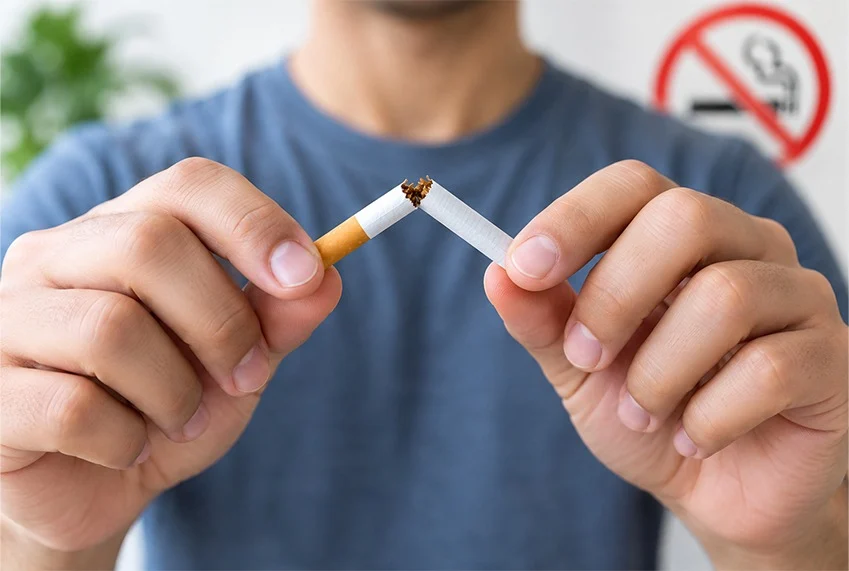
Most tobacco users know it harms their health, and many want to quit. Yet millions stay stuck for years. The reason is tobacco addiction, a recognised medical condition and not a weakness of character. Nicotine changes how the brain works, daily routines form around each dose, and emotions become tied to the cigarette, bidi, or pouch of gutkha.
This guide by Dr. Pranshu Agrawal explains what tobacco addiction is, how it develops, what it does to the body and mind, what withdrawal feels like, and which treatments work.
What Is Tobacco Addiction?
Tobacco addiction, also called nicotine dependence or tobacco use disorder, is the compulsive use of tobacco despite knowing it causes harm. Nicotine, the main addictive chemical, is absorbed through the lungs when smoked and through the lining of the mouth when chewed.
Dependence has two parts:
- Physical dependence: The body adapts to nicotine and produces withdrawal symptoms when levels fall.
- Psychological dependence: Tobacco becomes linked to moods, places, people, and activities, such as stress, tea breaks, meals, or time with friends.
Effective treatment has to address both.
Tobacco Use in India and the World
The World Health Organization estimates that tobacco kills more than 8 million people every year, including about 1.3 million non-smokers exposed to secondhand smoke.
India has one of the largest tobacco-using populations in the world. The Global Adult Tobacco Survey (GATS-2, 2016-17) found that about 28.6% of adults, over 267 million people, use tobacco in some form. A large share of this is smokeless tobacco such as khaini, gutkha, and zarda, which many people wrongly believe is safer than cigarettes.
Types of Tobacco Products
- Smoked forms: Cigarettes, bidis, cigars, pipes, and hookah. Bidis and hookah are often thought of as milder, but they deliver nicotine, tar, carbon monoxide, and other toxins. A single hookah session can involve as much smoke exposure as many cigarettes.
- Smokeless forms: Gutkha, khaini, zarda, chewing tobacco, snuff, and tobacco-containing paan masala. These are strongly linked to oral cancer.
- Electronic products: E-cigarettes and vapes deliver nicotine as an aerosol. They are not risk-free and can create or sustain nicotine dependence, especially in teenagers and young adults.
What Is Inside Tobacco?
Tobacco products contain thousands of chemicals, and at least 70 are known to cause cancer. Key ones include:
- Nicotine: the addictive drug.
- Tar: a sticky residue that coats the lungs.
- Carbon monoxide: reduces the oxygen carried by the blood.
- Formaldehyde, benzene, and arsenic: known carcinogens.
- Tobacco-specific nitrosamines: among the strongest cancer-causing agents, present in both smoked and smokeless tobacco.
How Nicotine Hooks the Brain
Within seconds of being inhaled, nicotine reaches the brain and binds to receptors that trigger the release of dopamine, the chemical linked to pleasure and reward. This produces a brief feeling of calm, alertness, or satisfaction.
With repeated use, the brain changes in three ways:
- More receptors: The brain grows extra nicotine receptors and comes to expect regular doses.
- Tolerance: More tobacco is needed to get the same effect.
- Withdrawal: When nicotine levels drop, irritability, anxiety, and cravings appear, and the next dose relieves them.
After a while, tobacco stops making a person feel good and only stops them from feeling bad. This cycle explains why even people with serious illness often struggle to quit.
Why Do People Start and Continue?
Several factors work together:
- Peer pressure and curiosity, especially in adolescence
- Family or workplace culture where tobacco use is common
- Stress, anxiety, or low mood, with tobacco used as self-medication
- Easy availability and low cost of products such as bidis and smokeless tobacco
- Marketing and social media that glamorise smoking or vaping
- Genetics, which influence how strongly a person becomes dependent
The earlier someone starts, the harder quitting tends to be, because the developing teenage brain is especially sensitive to nicotine.
Health Effects of Tobacco Addiction
Tobacco damages almost every organ in the body.
- Cancer: Tobacco causes cancers of the lung, mouth, tongue, throat, larynx, oesophagus, stomach, pancreas, kidney, bladder, and cervix. Smokeless tobacco is a leading cause of oral cancer in India.
- Heart and circulation: It raises the risk of heart attack, stroke, high blood pressure, aneurysm, and peripheral artery disease by damaging blood vessel walls and making blood more likely to clot.
- Lungs: Long-term use causes chronic bronchitis, emphysema, and chronic obstructive pulmonary disease (COPD). It worsens asthma and raises the risk of tuberculosis and its complications.
- Reproductive health: Tobacco is linked to reduced fertility in both sexes, erectile dysfunction, miscarriage, premature birth, and low birth weight.
- Mouth and teeth: Gum disease, tooth loss, staining, bad breath, and pre-cancerous white patches (leukoplakia) are common. Oral submucous fibrosis, which makes it hard to open the mouth, is linked to chewing areca nut and tobacco.
- Eyes, bones, and skin: Tobacco users face a higher risk of cataracts, macular degeneration, osteoporosis, premature ageing, and slow wound healing.
- Immunity: Tobacco weakens the immune system, so infections are more frequent and recovery is slower.
- Secondhand smoke: Children exposed at home have more asthma, ear infections, and respiratory infections, along with a higher risk of sudden infant death. Adults exposed to secondhand smoke face a higher risk of heart disease and lung cancer.
Tobacco Addiction and Mental Health
Tobacco use and mental health influence each other. Many people believe smoking relieves stress, but the calm they feel is mostly relief from withdrawal from the previous dose. Between doses, nicotine dependence can raise baseline anxiety and irritability.
Research shows higher rates of tobacco use among people with depression, anxiety disorders, ADHD, bipolar disorder, schizophrenia, and other substance use problems. These individuals often find quitting harder, which makes integrated care important.
- Get the same effect
- Plan your day around access to tobacco
- Use it to cope with stress, boredom, or loneliness
Clinicians often use the Fagerström Test for Nicotine Dependence to measure the degree of dependence and plan treatment.
Understanding Nicotine Withdrawal
Withdrawal usually begins within 4 to 24 hours after the last use, peaks around days 2 to 3, and eases over two to four weeks.
Common symptoms:
- Intense cravings
- Irritability, anger, and frustration
- Anxiety and restlessness
- Trouble concentrating
- Increased appetite and weight gain
- Disturbed sleep
- Low mood
- Headache, cough, and constipation
An individual craving usually lasts only 3 to 5 minutes. Occasional urges may return for months in familiar situations. This is normal and does not mean you have failed.
How the Body Recovers After Quitting
Healing starts almost immediately:
- 20 minutes: Heart rate and blood pressure begin to fall.
- 12 hours: Carbon monoxide in the blood returns to normal.
- 2 to 12 weeks: Circulation and lung function improve.
- 1 to 9 months: Coughing and breathlessness decrease as the lungs' natural cleaning system recovers.
- 1 year: The added risk of coronary heart disease is roughly halved.
- 5 years: Stroke risk falls substantially, and the risk of mouth, throat, and oesophageal cancer drops sharply.
- 10 years: Lung cancer risk falls to about half that of a continuing smoker.
- 15 years: Heart disease risk approaches that of someone who never smoked.
Quitting helps at any age. Even people who quit after a diagnosis of heart or lung disease live longer and have fewer complications.
Proven Ways to Quit Tobacco
The most successful approach combines medication, counselling, and a practical plan.
1. Set a quit date and prepare
Choose a date within two weeks. Tell family and friends, remove tobacco products and accessories from your home, car, and workplace, and decide in advance how you will handle your biggest triggers.
2. Know your triggers
Track when and why you use tobacco for a few days. Common triggers include morning tea, after meals, stress, alcohol, driving, and social gatherings. Prepare a specific alternative for each one.
3. Use nicotine replacement therapy (NRT)
Patches, gum, and lozenges deliver a controlled dose of nicotine without the toxic chemicals in tobacco, which eases withdrawal. Patches give steady levels, while gum and lozenges help with sudden cravings. Combining a patch with a fast-acting form is often more effective than using one alone.
4. Ask about prescription medicines
Varenicline and bupropion reduce cravings and withdrawal symptoms and improve the chances of quitting compared with no medication. They require a doctor's prescription because suitability depends on your medical history, mental health, and other medicines.
5. Get behavioural support
Counselling, cognitive behavioural therapy (CBT), and motivational interviewing help you handle cravings, change thought patterns, and prevent relapse. Combining counselling with medication gives better results than either alone.
6. Use the National Tobacco Quitline
India's National Tobacco Quitline (1800-11-2356) provides free counselling and guidance. Many government and private hospitals also run tobacco cessation clinics.
7. Replace the habit
Keep your hands and mouth busy with water, fennel seeds, cardamom, carrot sticks, nuts, or sugar-free gum. Take a short walk, stretch, or try slow breathing when a craving hits. Regular exercise reduces cravings and lifts mood.
8. Use the 4 Ds for cravings
- Delay: Wait 10 minutes, as the urge often passes.
- Deep breathe: Slow breathing calms the stress response.
- Drink water: It keeps you occupied.
- Distract: Change your activity or surroundings.
9. Prepare for slips
Most people need several attempts. A slip is information, not failure. Work out what triggered it, adjust your plan, and restart right away.
10. Track progress and savings
Count tobacco-free days and money saved. A daily user can save tens of thousands of rupees a year, and visible progress keeps motivation alive.
Common Myths About Tobacco
- "Bidis and hookah are safer." They are not. They deliver nicotine, tar, and toxins, often in larger amounts than cigarettes.
- "Smokeless tobacco isn't harmful." It is a major cause of oral cancer and heart disease and is highly addictive.
- "Vaping is harmless." Vapes contain nicotine and other chemicals, and their long-term effects are still being studied.
- "I've used tobacco too long to benefit from quitting." Benefits begin within hours and continue at any age.
- "Cutting down is enough." Reducing helps a little, but heart and cancer risks fall meaningfully only when you stop completely.
- "Quitting is only about willpower." Dependence is both biological and behavioural. Support and medication substantially improve success.
When to Seek Professional Help
Consider professional support if you have tried to quit before without success, use tobacco heavily, have a medical condition affected by tobacco, or struggle with anxiety, depression, or other substance use. A doctor such as Dr. Pranshu Agrawal can assess your level of dependence, review suitable medication, and design a personalised quit plan that also addresses underlying emotional concerns.
If stress, low mood, or anxiety are driving your tobacco use, seeking mental health support can help you treat those problems directly, which makes staying tobacco-free much easier. Asking for help is a practical step, not a sign of weakness.
How to Support Someone Who Wants to Quit
- Be patient and non-judgmental. Shame and nagging usually backfire.
- Ask what helps instead of assuming.
- Celebrate milestones such as one week, one month, and three months.
- Keep the home smoke-free and avoid using tobacco around them.
- Encourage professional help if they are struggling.
- Stay supportive after a relapse and encourage them to try again.
Conclusion:
Tobacco addiction is driven by nicotine's effect on the brain and reinforced by habit and emotional coping. That is why quitting feels so hard, and why blaming willpower is unfair and unhelpful. It is also one of the most treatable causes of preventable illness. Medication, counselling, a clear plan, and social support together give people a real chance of success, and the body begins to heal within hours of the last cigarette or pinch.
You do not need to be perfect, and you do not need to do it alone. If stress, anxiety, or low mood keep pulling you back to tobacco, mental health support can help you deal with the root cause. The most useful step is the first one, and you can take it today.
Frequently Asked Questions (FAQs)
1. How long does tobacco addiction last after quitting?
Physical withdrawal symptoms usually peak within the first three days and fade over two to four weeks. Psychological cravings and habit-driven urges can last several months and may reappear occasionally in familiar situations. Counselling and medication can shorten and ease this period.
2. Is smokeless tobacco like gutkha and khaini as harmful as cigarettes?
Yes. Smokeless tobacco contains nicotine and many cancer-causing chemicals. It is strongly linked to oral, throat, and oesophageal cancers, gum disease, and heart disease, and it is highly addictive. Quitting it matters just as much as quitting cigarettes.
3. Can I quit tobacco without medication?
Some people succeed without it, but studies show that combining behavioural support with nicotine replacement or prescription medicine improves the chances of quitting. The right option depends on your level of dependence and health, so it is worth discussing with a doctor.
4. What should I do if I relapse after quitting?
A relapse is common and does not mean failure. Identify what triggered it, restart your quit plan as soon as possible, and consider adding more support such as counselling, medication, or the National Tobacco Quitline (1800-11-2356). Most people who quit for good made more than one attempt.