
Understanding Mood Swings: Common Causes and When They Need Attention
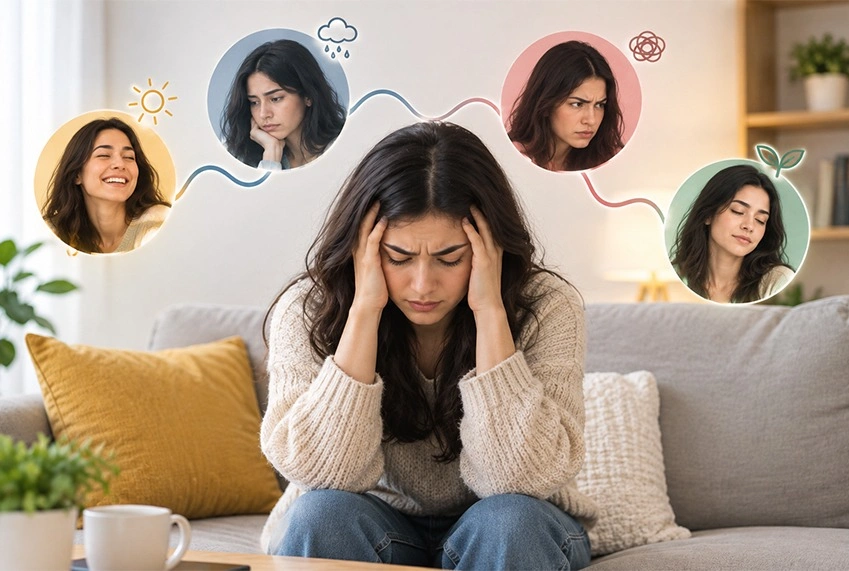
Mood swings are something almost everyone experiences at some point in life. One moment you might feel cheerful and energetic, and within a few hours, you could feel irritable, sad, or completely drained. For most people, these shifts are mild and pass on their own. But for others, mood swings can be intense, frequent, and disruptive enough to affect relationships, work, and overall quality of life. Understanding what causes mood swings — and knowing when they cross the line from "normal" to something that needs professional attention — can make a real difference in how we manage our emotional wellbeing.
In this blog, we will explore what mood swings actually are, the common causes behind them, how they differ from more serious mental health conditions, and when it's time to seek help from a mental health professional.
What Are Mood Swings?
A mood swing refers to a sudden or intense change in emotional state. Unlike normal fluctuations in mood that happen gradually over the course of a day in response to specific events, mood swings often feel abrupt and, at times, disproportionate to what's actually happening around you. You might go from feeling calm to intensely angry, or from content to deeply sad, without an obvious trigger.
It's important to understand that experiencing changes in mood is a completely normal part of being human. Our emotions are designed to respond to our environment, our thoughts, and our physical state. The concern arises when these swings become extreme, frequent, or start to interfere with daily functioning.
Common Causes of Mood Swings
Mood swings can stem from a wide variety of factors — biological, psychological, environmental, and lifestyle-related. Let's look at some of the most common causes.
1. Hormonal Changes
Hormones play a significant role in regulating mood. This is why many people notice mood fluctuations during specific life stages:
- Menstrual cycle: Many women experience premenstrual syndrome (PMS) or the more severe premenstrual dysphoric disorder (PMDD), both of which are linked to hormonal shifts and can cause irritability, sadness, or anxiety in the days leading up to menstruation.
- Pregnancy and postpartum period: Hormonal changes during and after pregnancy can lead to significant mood variability, including postpartum depression in some cases.
- Menopause: The hormonal changes associated with perimenopause and menopause often bring on mood swings, irritability, and sometimes anxiety or low mood.
- Puberty: Adolescents often experience mood swings due to the surge of hormones during this developmental stage.
2. Stress
Chronic stress — whether from work, relationships, finances, or major life changes — can significantly affect emotional regulation. When the body is under prolonged stress, cortisol levels remain elevated, which can make a person more reactive, irritable, and emotionally unstable.
3. Sleep Deprivation
Sleep and mood are closely connected. Poor sleep quality or insufficient sleep disrupts the brain's ability to regulate emotions effectively. Even a single night of poor sleep can leave a person more prone to irritability, anxiety, and low frustration tolerance the next day.
4. Diet and Blood Sugar Fluctuations
What we eat has a direct impact on our mood. Skipping meals, consuming excessive sugar, or having irregular eating patterns can cause blood sugar levels to spike and crash, which in turn can trigger irritability, fatigue, and sudden shifts in emotional state.
5. Substance Use
Alcohol, caffeine, recreational drugs, and even certain medications can influence mood stability. While some substances might provide temporary relief or a mood lift, they often lead to rebound effects that leave a person feeling worse afterward.
6. Mental Health Conditions
While occasional mood swings are usually not a cause for concern, frequent and intense mood swings can sometimes be a symptom of an underlying mental health condition. Some of these include:
- Bipolar disorder: Characterized by extreme shifts between manic or hypomanic episodes (elevated energy, euphoria, or irritability) and depressive episodes (sadness, low energy, hopelessness).
- Borderline personality disorder (BPD): Often involves intense, rapidly shifting emotions, particularly in response to interpersonal situations.
- Depression and anxiety disorders: These can also present with noticeable mood variability, especially when combined with stress or poor coping mechanisms.
- ADHD: Emotional dysregulation is a lesser-known but common feature of attention-deficit/hyperactivity disorder, particularly in adults.
7. Chronic Medical Conditions
Certain physical health conditions, such as thyroid disorders, chronic pain, autoimmune diseases, and neurological conditions, can also contribute to mood instability. This is because these conditions often affect the body's hormonal balance, energy levels, and overall nervous system functioning.
8. Life Transitions and Major Changes
Big life events — moving to a new city, starting a new job, going through a breakup, or losing a loved one — can naturally cause emotional ups and downs as a person processes and adapts to change.
| Normal Mood Changes | Concerning Mood Swings |
|---|---|
| Triggered by identifiable events | Occur suddenly, often without clear triggers |
| Proportional to the situation | Disproportionate to what's happening |
| Resolve within a reasonable time | Persist for days or longer, or recur frequently |
| Don't significantly disrupt daily life | Interfere with work, relationships, or responsibilities |
| Person retains a sense of control | Person feels overwhelmed or unable to manage reactions |
If mood swings are frequent, intense, and unpredictable, and if they are accompanied by other symptoms like sleep disturbances, appetite changes, difficulty concentrating, or thoughts of hopelessness, it may be worth exploring the root cause more deeply.
The Impact of Unaddressed Mood Swings
When mood swings go unaddressed for a long time, they can affect various aspects of life:
- Relationships: Loved ones may struggle to understand sudden emotional shifts, leading to conflict, misunderstandings, or emotional distance.
- Work and productivity: Difficulty regulating emotions can affect concentration, decision-making, and professional relationships.
- Physical health: Chronic emotional dysregulation is linked to increased stress hormones, which can contribute to issues like high blood pressure, weakened immunity, and digestive problems.
- Self-esteem: Repeated episodes of feeling out of control emotionally can lead to guilt, shame, or a diminished sense of self-worth.
This is why it's important not to dismiss persistent mood swings as "just a phase" or something to simply push through.
Practical Ways to Manage Mood Swings
Before jumping straight to professional intervention, there are several lifestyle strategies that can help stabilize mood for many people:
- Prioritize sleep hygiene: Aim for consistent sleep and wake times, limit screen exposure before bed, and create a calming nighttime routine.
- Maintain balanced nutrition: Regular meals with a good balance of protein, fiber, and healthy fats can help keep blood sugar — and mood — more stable.
- Exercise regularly: Physical activity has been shown to improve mood regulation by releasing endorphins and reducing stress hormones.
- Practice stress management techniques: Mindfulness, meditation, deep breathing exercises, and journaling can help build emotional awareness and resilience.
- Limit alcohol and stimulants: Reducing caffeine and alcohol intake can help minimize mood-related fluctuations.
- Track your mood: Keeping a simple mood journal can help identify patterns and triggers, which is useful both for self-awareness and for any future conversations with a healthcare provider.
- Build a support system: Talking to trusted friends or family members can provide an outlet and help you feel less isolated during difficult emotional periods.
When Mood Swings Need Professional Attention
While lifestyle changes can be helpful for mild mood fluctuations, there are certain signs that indicate it may be time to consult a mental health professional:
- Mood swings are frequent, intense, and unpredictable
- They last for extended periods (days or weeks) rather than resolving quickly
- They interfere with work, relationships, or daily responsibilities
- They are accompanied by symptoms of depression, anxiety, or mania
- There are thoughts of self-harm or feelings of hopelessness
- Substance use is being used as a way to cope with emotional instability
- Loved ones have expressed concern about noticeable changes in behavior or mood
As mental health experts often point out, mood swings that significantly disrupt daily functioning are rarely something a person needs to manage alone. According to Dr. Pranshu Agarwal, timely evaluation of persistent mood changes can help identify whether an underlying condition is contributing to the symptoms, allowing for a more targeted and effective approach to treatment.
What to Expect When You Seek Help
If you decide to consult a professional, the process typically begins with a detailed conversation about your symptoms, their duration, triggers, and how they are affecting your daily life. The clinician may also ask about your sleep, diet, stress levels, medical history, and family history of mental health conditions.
Depending on the assessment, treatment approaches may include:
- Therapy: Cognitive Behavioral Therapy (CBT) and Dialectical Behavior Therapy (DBT) are particularly effective for helping individuals understand and regulate their emotional responses.
- Medication: In cases where an underlying condition such as bipolar disorder, depression, or anxiety is contributing to mood instability, medication may be recommended alongside therapy.
- Lifestyle counseling: Guidance on sleep, diet, exercise, and stress management is often incorporated into a holistic treatment plan.
- Regular follow-ups: Mood-related conditions often require ongoing monitoring to adjust treatment as needed.
Seeking help early can prevent symptoms from worsening and can significantly improve day-to-day quality of life.
Breaking the Stigma Around Seeking Help
One of the biggest barriers to addressing mood swings is the stigma that still surrounds mental health care in many communities. People often worry about being judged or labeled, which can delay seeking help for months or even years. However, mental health is just as important as physical health, and reaching out to a professional is a sign of self-awareness and strength, not weakness.
If you're based in Lucknow or nearby areas and are noticing persistent mood swings that are affecting your daily life, consulting a psychiatrist in Lucknow can be a helpful first step toward understanding what's going on and finding the right support.
Conclusion
Mood swings are a normal part of the human experience, and most of the time, they are manageable through simple lifestyle adjustments and self-awareness. However, when mood swings become intense, frequent, or start to interfere with your ability to function in daily life, it's important to take them seriously. Understanding the underlying causes — whether hormonal, psychological, lifestyle-related, or linked to a mental health condition — is the first step toward finding effective solutions.
Paying attention to your emotional patterns, practicing healthy coping strategies, and knowing when to seek professional guidance can go a long way in improving emotional stability and overall wellbeing. Mental health matters just as much as physical health, and there is no shame in reaching out for support when you need it.
If your mood swings are becoming difficult to manage on your own, don't hesitate to talk to a trusted friend, family member, or a qualified mental health professional. Taking that first step can open the door to better understanding, better coping tools, and ultimately, a better quality of life.
Frequently Asked Questions (FAQs)
1. What are mood swings?
Mood swings are sudden or noticeable changes in emotional state, such as shifting from feeling happy or calm to feeling irritated, sad, or emotionally drained.
2. What are the common causes of mood swings?
Common causes include hormonal changes, stress, poor sleep, irregular eating patterns, substance use, life changes, certain medical conditions, and some mental health conditions.
3. When should mood swings be a concern?
Mood swings may need attention when they become frequent, intense, unpredictable, last for days or weeks, or interfere with work, relationships, or daily responsibilities.
4. Can poor sleep cause mood swings?
Yes. Poor sleep or insufficient sleep can affect emotional regulation and may increase irritability, anxiety, and difficulty managing emotions.
5. When should I consult a mental health professional for mood swings?
Consider seeking professional help when mood changes are persistent or disruptive, occur with symptoms of depression, anxiety, or mania, or become difficult to manage on your own.